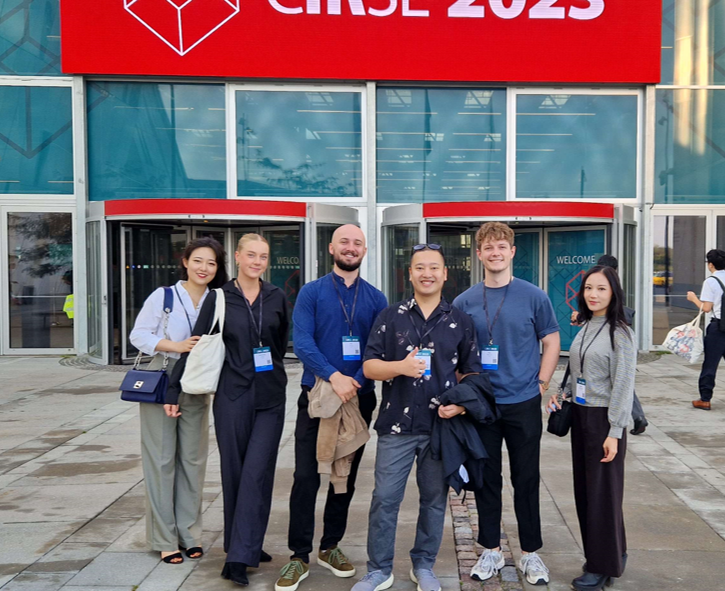
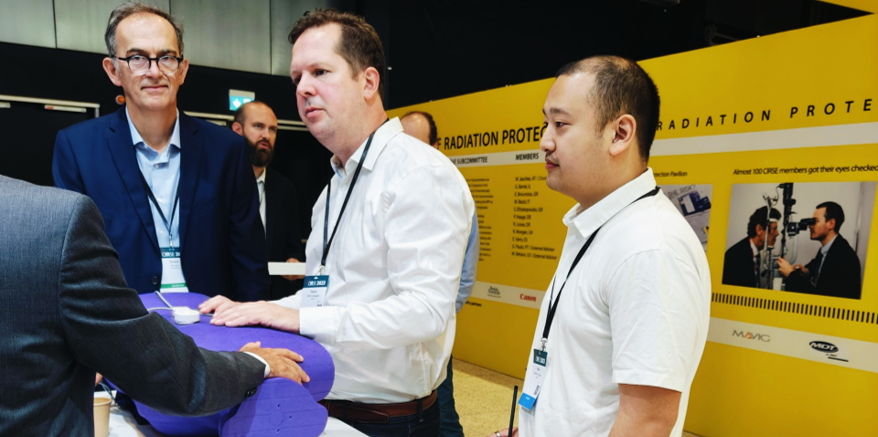
(Middle) Martin Lundsgaard Hansen Head of Radiology Department, Rigshospitalet
Cardiovascular and Interventional Radiological Society of Europe CIRSE is a medical society and annual congress dedicated to cardiovascular and interventional radiology focusing on minimally invasive image-guided therapies which is held at Bella Center Copenhagen, Denmark in 2023. The CIRSE Congress brings together healthcare professionals, including radiologists, interventional radiologists, vascular surgeons, and other specialists, to share knowledge, research, and advancements in the field of interventional radiology.
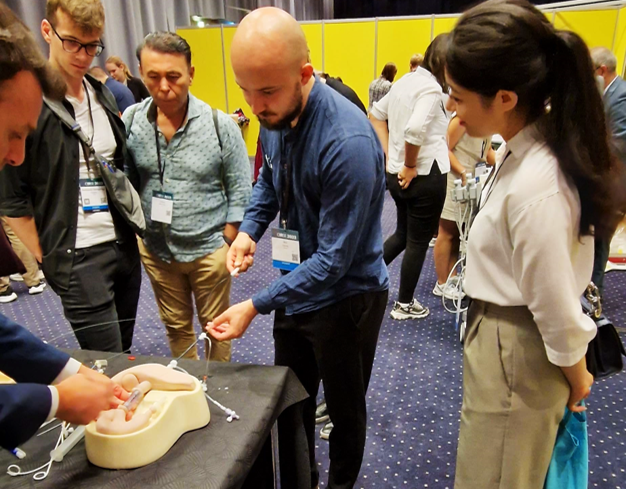
Cardiovascular CT Research Reader Team Participating At the CIRSE Congress, attendees can participate in scientific sessions, workshops, and discussions related to the latest developments in image-guided procedures, techniques, and technologies used in the diagnosis and treatment of various medical conditions, including vascular diseases, cancer, and more. It provides a platform for networking, learning, and staying up-to-date with the rapidly evolving field of interventional radiology.
Interventional Radiology, An Upcoming Medical Specialty Interventional radiology plays a significant role in several medical fields, including neurology, oncology, cardiovascular, and gastrointestinal (GI) care. Here’s how interventional radiology is involved in each of these specialties:
Interventional Radiology in Neurology:
Cerebral Angiography: Interventional radiologists use angiography to image blood vessels in the brain. It’s crucial for diagnosing conditions like aneurysms, arteriovenous malformations (AVMs), and strokes.
Embolization: For conditions like brain AVMs and certain tumors, interventional radiologists can perform embolization procedures to block abnormal blood vessels or reduce blood flow to tumors.
Thrombectomy: In cases of acute ischemic stroke, interventional radiologists may perform thrombectomy procedures to remove blood clots and restore blood flow to the brain.
Interventional Radiology in Oncology:
Tumor Ablation: Interventional radiologists can use techniques like radiofrequency ablation, microwave ablation, or cryoablation to destroy cancerous tissue in various organs.
Tumor Embolization: In some cases, embolization is used to cut off the blood supply to tumors, particularly in cases of liver cancer or certain types of kidney cancer.
Biopsies: Image-guided biopsies are common in oncology to obtain tissue samples for cancer diagnosis and to guide treatment decisions.
Interventional Radiology in Cardiovascular Care:
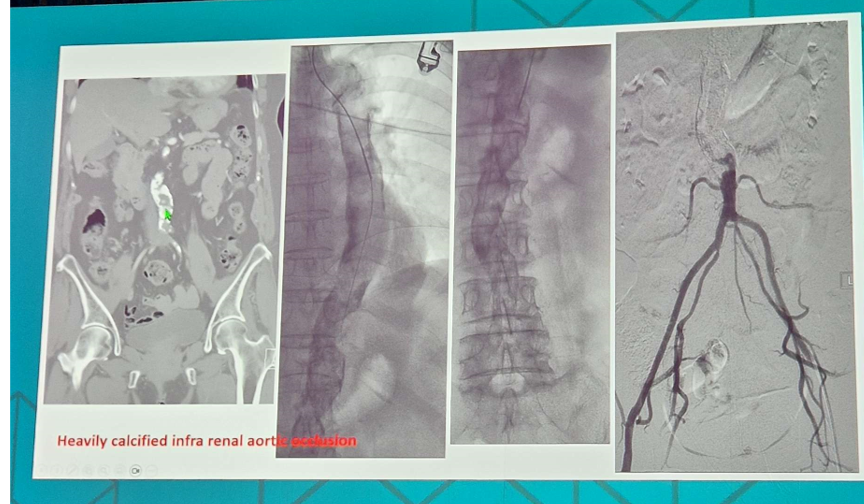
Angioplasty and Stenting: These procedures are performed to open narrowed or blocked blood vessels, such as coronary arteries in heart disease or peripheral arteries in peripheral vascular disease.
Cardiac Catheterization: Interventional radiologists can perform diagnostic procedures to assess the heart’s structure and function, like coronary angiography.
Aneurysm Repair: Endovascular repair of aortic aneurysms and other vascular aneurysms is another common procedure.
Interventional Radiology in Gastrointestinal (GI) Care:
Biliary Interventions: Interventional radiologists perform procedures like biliary stent placement and percutaneous transhepatic cholangiography (PTC) to treat conditions related to the bile ducts and liver.
Gastrostomy and Gastrojejunostomy: These procedures involve placing feeding tubes directly into the stomach or the jejunum through the skin for patients who cannot eat or swallow normally.
Abscess Drainage: For patients with abdominal abscesses or fluid collections, interventional radiologists can perform image-guided drainage procedures.
A Successful Team Excursion and Experiencing an International Congress Overall, it was an exciting excursion for the CT Reader team to attend CIRSE 2023. An exceptional opportunity to experience an international medical meeting and to have a break from the weekly image reading work at the CT reading office.